
A child’s first dental visit should not wait until there is pain. In paediatric dentistry, early check-ups help detect small problems before they become uncomfortable, guide parents on brushing and fluoride, and make dental care feel normal rather than frightening.
At ByB Dental in Malaga, we often meet families who are not sure when their child should first see a dentist. Some come because of a visible cavity, a fall, tooth sensitivity or concerns about how the teeth are coming through. Others simply want to know if everything is developing normally.
This guide explains when to take your child to a children’s dentist, what usually happens at the first visit, and which signs mean you should book an appointment sooner.
When should a child first see a dentist?
The general recommendation is that children should have their first dental visit when the first tooth appears or around their first birthday.
That may sound early, but the first appointment is usually simple and preventive. It is not about doing treatment unless there is a problem. It is about checking development, identifying risk factors and helping parents understand how to care for their child’s teeth from the beginning.
During this early stage, a dentist can advise on how the baby teeth are coming through, how to clean the mouth and first teeth, which toothbrush and toothpaste to use, feeding habits that may increase the risk of decay, dummy or thumb-sucking habits and when the next check-up should be scheduled.
Baby teeth matter. They help children chew, speak, smile, keep space for adult teeth and avoid infections. Even though they eventually fall out, they play an important role in a child’s oral and general wellbeing.
Why you should not wait for toothache
Toothache in children often appears when a problem is already more advanced. A small cavity may not hurt at first, but it can progress and lead to sensitivity, infection or difficulty eating.
Waiting for pain can make the first dental experience more stressful because the child may arrive already uncomfortable or frightened, the appointment may involve more than a simple check-up, treatment may be more complex and the child may associate the dentist with pain.
A calm, preventive first visit can help children feel safe at the dentist. This is especially important for families living in Malaga or staying in the city long term, as regular dental care becomes part of the child’s normal health routine.
What happens at a first children’s dental visit
The first visit is adapted to the child’s age, personality and level of cooperation. A baby, a toddler and a six-year-old will not need the same type of examination.
Tooth eruption
The dentist checks whether the teeth are coming through as expected for the child’s age. Every child develops at their own pace, but certain patterns help identify whether something should be monitored.
Early cavities or enamel changes
Tooth decay can appear in young children, especially when there is frequent exposure to sugars, night-time feeding habits, brushing difficulties or individual risk factors. Finding early changes allows the dentist to advise before the problem progresses.
Gums, lips, tongue and oral tissues
A children’s dental visit is not only about teeth. The dentist also checks the gums, lips, tongue, soft tissues and sometimes the frenulum. This can help identify irritation, inflammation, hygiene difficulties or functional issues.
Bite and jaw development
As children grow, it is useful to assess how the teeth meet and how the jaws are developing. Crossbite, severe crowding, a narrow palate, mouth breathing, prolonged dummy use or thumb-sucking may suggest that the child should be monitored or referred for a paediatric orthodontic assessment.
If you are concerned about your child’s bite, you can also read about paediatric orthodontics in Malaga.
Signs your child should see a dentist sooner
You do not need to wait for a routine check-up if something does not seem right. Book a children’s dental appointment if you notice:
- Toothache or sensitivity.
- White, brown or black marks on the teeth.
- Swollen or bleeding gums.
- A fall or injury involving the teeth.
- Persistent bad breath.
- Difficulty chewing or avoiding food on one side.
- Teeth coming through very crowded or crooked.
- Early loss of a baby tooth.
- Thumb-sucking or dummy use beyond the recommended age.
- Regular mouth breathing, frequent snoring or restless sleep.
Dental trauma should also be checked, even if the tooth looks fine. Some injuries do not cause immediate pain but may affect the tooth root, colour or the developing adult tooth.
How to prepare your child for the dentist
How you talk about the visit can make a big difference. Children often pick up on adult anxiety, so it is best to keep the explanation simple and calm.
You can say something like: “The dentist is going to count your teeth and check your smile.”
- Avoid saying “it won’t hurt” or “don’t be scared”, as this can make children more alert.
- Do not use the dentist as a threat.
- Choose a time when your child is not too tired.
- Let them bring a small toy if it helps.
- Stay calm and positive.
- Tell the dental team if your child has had a difficult experience before.
At ByB Dental, the first goal is often to create trust. Sometimes a successful first visit simply means the child sits in the chair, opens their mouth briefly and leaves feeling comfortable.
Children’s dental prevention at home
Good dental care starts at home. Regular check-ups are important, but daily habits are what protect children’s teeth between visits.
Start brushing from the first tooth
Once the first tooth appears, oral hygiene should begin. Use a small, soft toothbrush suitable for the child’s age.
Brush twice a day and use fluoride toothpaste
Children should brush at least twice a day, especially before bed. Fluoride helps strengthen enamel and reduce the risk of cavities. The amount of toothpaste should be appropriate for the child’s age, so ask your dentist for personalised guidance.
Limit frequent sugar exposure
It is not only the amount of sugar that matters. Frequency matters too. Repeated snacks, juices, biscuits, sweet drinks or milk at night can increase the risk of tooth decay.
Supervise brushing
Children need help brushing until they have enough coordination to clean properly. Many children brush quickly but miss the molars and gumline.
When to book a children’s dentist in Malaga
If you are looking for a children’s dentist in Malaga, ByB Dental can help with first dental visits, prevention, cavities, baby teeth, dental trauma, bite development and oral hygiene advice.
A paediatric dental visit can assess teeth and gums, tooth eruption, risk of decay, brushing habits, diet and prevention, oral habits, bite development and whether further monitoring is needed.
You can find more information on our page for paediatric dentist in Malaga.
FAQs
When should my child first go to the dentist?
Children should generally see a dentist when the first tooth appears or around their first birthday. This helps detect early risks and gives parents guidance on brushing, fluoride and prevention.
Do baby teeth really matter?
Yes. Baby teeth help children chew, speak and keep space for adult teeth. Cavities in baby teeth can cause pain, infection and eating difficulties.
How often should children see a dentist?
It depends on the child’s age, oral hygiene, diet, cavity risk and dental development. Many children are seen every 6 or 12 months, but your dentist should recommend the right interval after the examination.
What if my child is scared of the dentist?
A calm preventive visit is usually easier than an emergency visit. Avoid using scary words, threats or saying “it won’t hurt”. Explain that the dentist will count their teeth and check their smile.
When should my child’s bite be checked?
The bite should be monitored as the child grows, especially if there is crowding, crossbite, mouth breathing, prolonged dummy use, thumb-sucking or difficulty closing the mouth.
What does a paediatric dentist check?
A paediatric dentist checks the teeth, gums, tooth eruption, cavities, oral hygiene, habits, bite and jaw development. They also guide parents on prevention at home.
Sources
- American Academy of Pediatric Dentistry: Parent FAQ.
- NHS: Taking care of children’s teeth.
- MouthHealthy / American Dental Association: Baby teeth and children’s oral health.
About the author
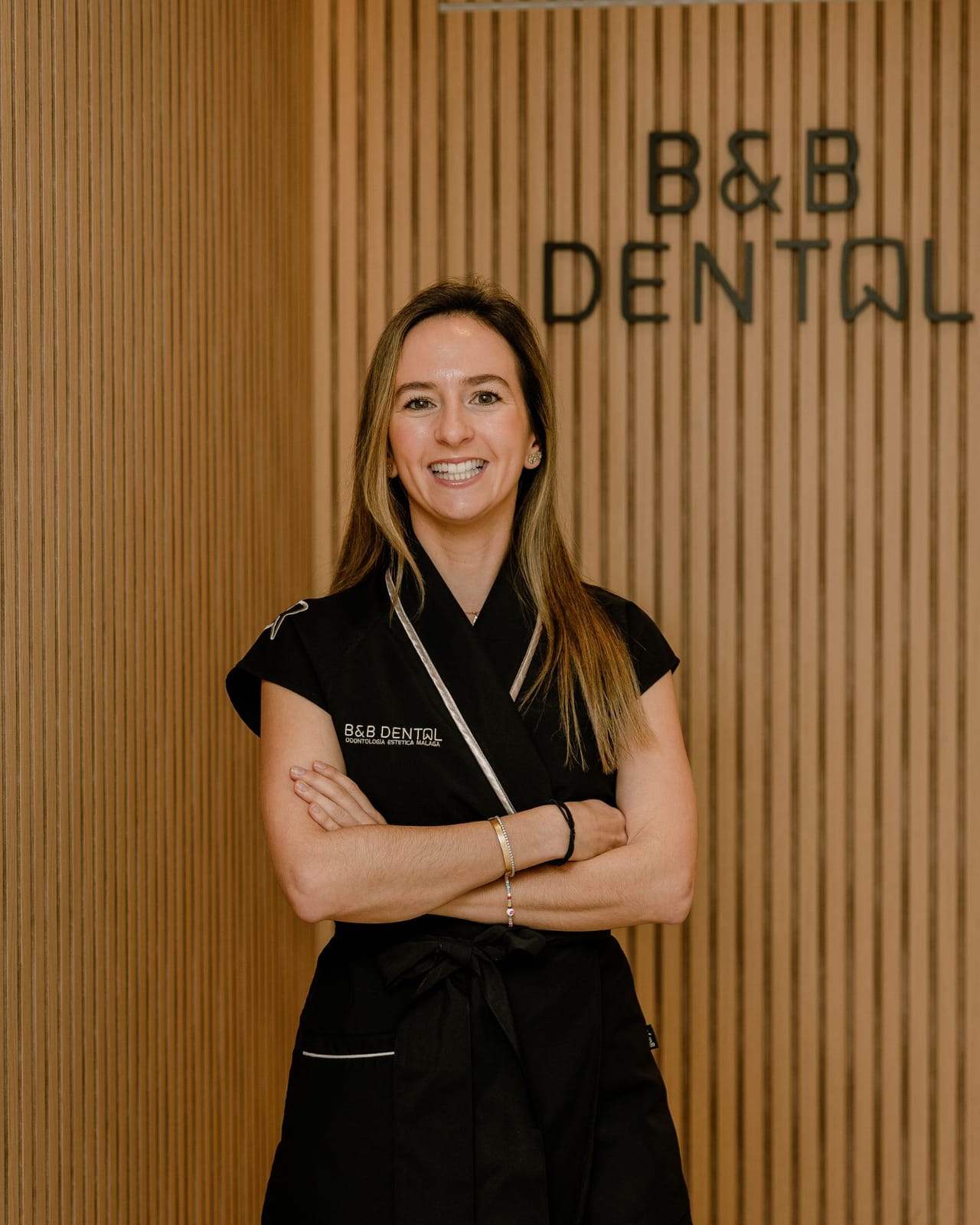
Dr Blanca Barrio
Medical Director at ByB Dental, with clinical focus on orthodontics, aesthetic dentistry and comprehensive treatment planning. At ByB Dental, she helps families and patients in Malaga prevent, understand and manage oral health from early childhood through adulthood.
More information: Dr Blanca Barrio.
This article is for patient guidance only; each child’s needs should be assessed individually by a dentist.