Invisible orthodontics has changed the way many patients think about improving their smile. For people who do not want visible braces, clear aligners can be a comfortable, discreet option that fits easily into everyday life.
But there is one important idea to understand from the beginning: the result does not depend only on the aligner.
It depends on diagnosis, planning and the clinical management of the professional leading the case. Today, many orthodontic cases can be treated with clear aligners, including situations that years ago were usually managed with fixed braces. The key is knowing how to plan the movements, monitor progress and adapt the treatment when needed.
At ByB Dental, a dental clinic in Málaga, invisible orthodontics always starts with a personalised assessment. We study each case before recommending Invisalign, clear aligners or another orthodontic option.
What invisible orthodontics really is
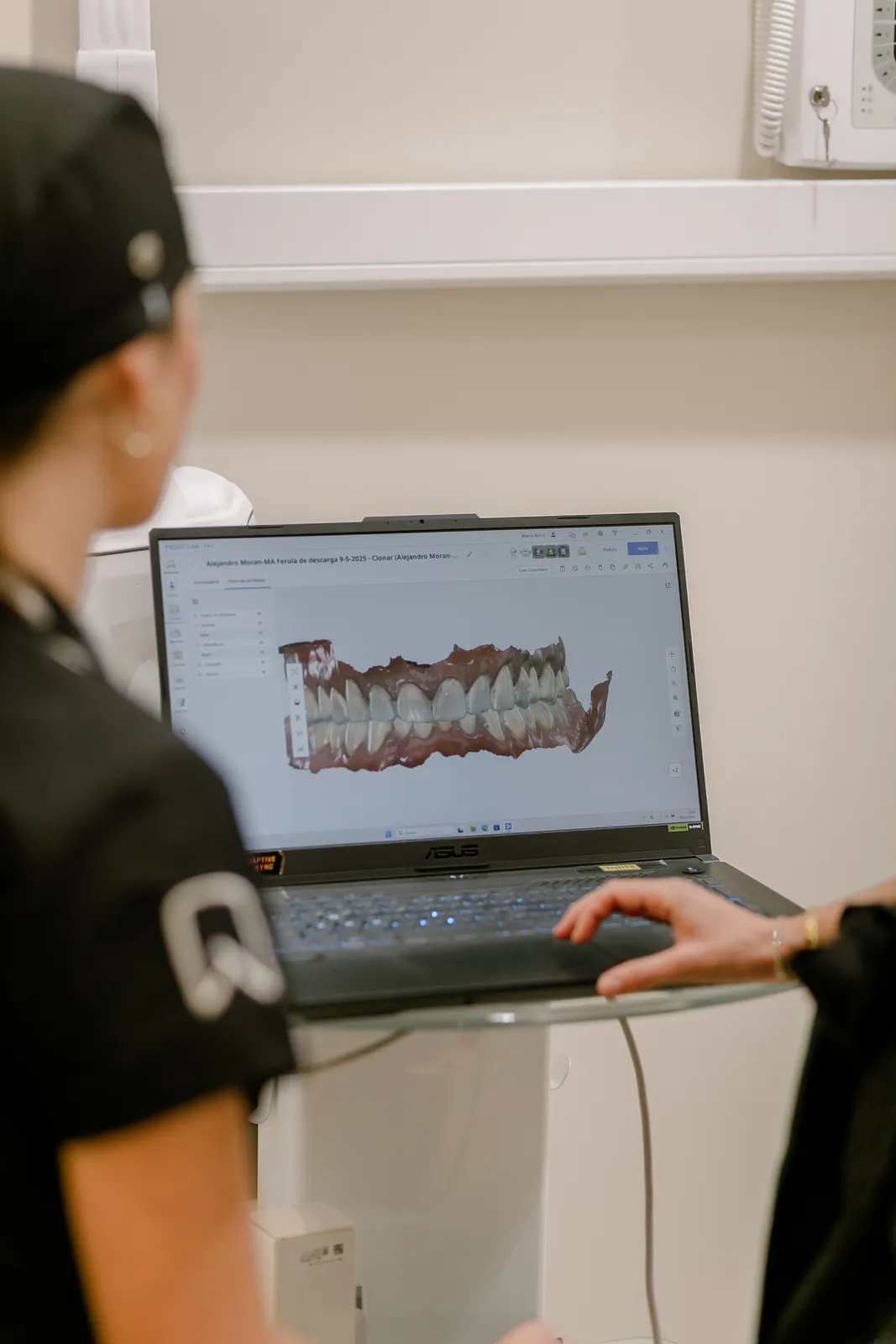
Invisible orthodontics uses a series of clear, removable aligners that are changed progressively to move the teeth according to a previous treatment plan.
Unlike traditional braces, aligners can be removed to eat and brush your teeth. This is one reason many adult patients find them easier to integrate into daily life, especially if they work face to face with people or prefer a more discreet option.
Even though aligners look simple, they do not “do the work” on their own. Behind every treatment there is an assessment of the bite, tooth position, gum health and the patient’s aesthetic goals.
So the important question is not only whether the treatment is invisible. The important question is whether it is properly indicated, well planned and carefully followed up.
When clear aligners may be worth considering
Invisible orthodontics may be a good option for patients who want to improve their smile without visible braces.
It may be considered in situations such as:
- Crowded teeth.
- Spaces between teeth.
- Rotated or misaligned teeth.
- Relapse after previous orthodontic treatment.
- Bite problems that can be planned with aligners.
- Adults looking for a discreet orthodontic option.
- Patients who want to improve their smile without changing their routine too much.
One advantage is that aligners can fit very well into everyday life: they can be removed for meals, they make oral hygiene easier and they are less visible than other systems.
They also require commitment. For treatment to progress as planned, the patient needs to wear the aligners for the recommended number of hours and attend follow-up appointments. Technology helps, but patient consistency and professional supervision remain essential.
Why the key is not only the aligner
For years, clear aligners were often seen as suitable only for simple cases. That idea is now too limited.
Many treatments can now be approached with invisible orthodontics. The difference lies in the diagnosis, the planning and the experience of the professional managing the aligners.
It is not just about giving the patient a series of transparent trays. A good plan must define:
- Which tooth movements are needed.
- In which order they should happen.
- How the bite will be controlled during treatment.
- When attachments or additional resources may be necessary.
- How to adjust the plan if the teeth do not respond as expected.
- When refinements may be needed.
- How retention should be planned to maintain the result.
That is why two patients using aligners can have very different experiences. The system matters, but the clinical planning behind it matters even more.
Invisalign and invisible orthodontics: how they relate
Many people ask directly about Invisalign when they are actually referring to invisible orthodontics.
Invisalign is a specific brand of clear aligners. Invisible orthodontics is a broader term that can include different removable aligner systems.
In practice, a patient searching for Invisalign usually wants something very clear: to align their teeth discreetly, comfortably and without visible braces.
That is completely understandable. But before starting, the useful question is not only: “Can I have Invisalign?” A better question is: “What kind of planning does my case need to be treated well with aligners?”
What ByB Dental checks before recommending treatment
Before recommending invisible orthodontics, Invisalign or another option, ByB Dental assesses each case individually.
During that first assessment, we review aspects such as:
- The current position of the teeth.
- The type of bite.
- The relationship between upper and lower teeth.
- Gum health.
- Cavities or other dental problems.
- Oral hygiene.
- The shape of the smile.
- The patient’s aesthetic goals.
- Daily habits and routine.
- The future stability of the result.
This assessment helps us understand what the patient really needs and how it can be achieved in the most appropriate way.
Some patients arrive thinking their case is too complex and later find out that aligners may be possible. Others think they only need “a small alignment”, but the bite assessment shows that the plan needs to be more complete.
If you are considering this treatment, you can visit our page on invisible orthodontics in Málaga, where we explain how we approach these cases at the clinic.
Why an in-person assessment in Málaga matters
Reading about invisible orthodontics can help you understand the basics, but it cannot replace a clinical examination.
An in-person assessment allows us to check details that cannot be confirmed with general information or photos alone, such as how the teeth meet when you bite, whether the gums are healthy, whether there is wear, cavities or restorations to review, and whether the treatment goals are realistic.
At ByB Dental in Málaga, we offer personalised assessments for patients who want to know whether invisible orthodontics may be suitable for their case. This approach avoids rushed decisions and makes it easier to explain what options exist and what steps may be needed.
You can request an assessment from our invisible orthodontics in Málaga page or contact the clinic through contact.
Invisible orthodontics and aesthetic dentistry
Many people start asking about invisible orthodontics because they want to feel better when they smile. That is normal: tooth position has a major impact on the appearance of a smile.
But a smile is not only about straight teeth. Tooth shape, colour, proportions, gum display, bite and facial harmony also matter.
In some cases, invisible orthodontics can be the first step in a broader aesthetic dental plan. Aligning the teeth properly can help create a more natural result if whitening, veneers or other aesthetic treatments are considered later.
At ByB Dental, treatment planning looks first at health and function, then aesthetics, always with realistic expectations.
Frequently asked questions
Is invisible orthodontics suitable for every case?
Not for every case, but it can treat many more cases than people often assume. Suitability depends on diagnosis, planning and professional experience with aligners.
Are Invisalign and invisible orthodontics the same thing?
Not exactly. Invisalign is a specific brand of clear aligners. Invisible orthodontics is a broader term that can include different aligner systems.
What matters more: the aligner brand or the professional?
The system can be important, but diagnosis, planning and follow-up are essential. A good result depends greatly on how the treatment is designed and monitored.
Do clear aligners hurt?
They can cause pressure or mild discomfort when changing aligners, especially during the first few days. This usually relates to the planned tooth movement.
How many hours a day should aligners be worn?
This depends on the professional recommendation. In general, aligners need to be worn for most of the day and removed for meals, certain drinks and oral hygiene.
Can I eat with aligners in?
Usually, aligners should be removed for meals. This helps prevent damage to the aligners and supports better oral hygiene.
Where can I check if invisible orthodontics is right for me in Málaga?
At ByB Dental, we assess each case individually to determine whether Invisalign or another clear aligner system may be suitable.
Clinical sources
- NHS. Orthodontics.
- American Association of Orthodontists. Clear aligners / orthodontic information.
- Invisalign. How Invisalign treatment works.
This article is for informational purposes and does not replace a personalised dental assessment.
Author signature
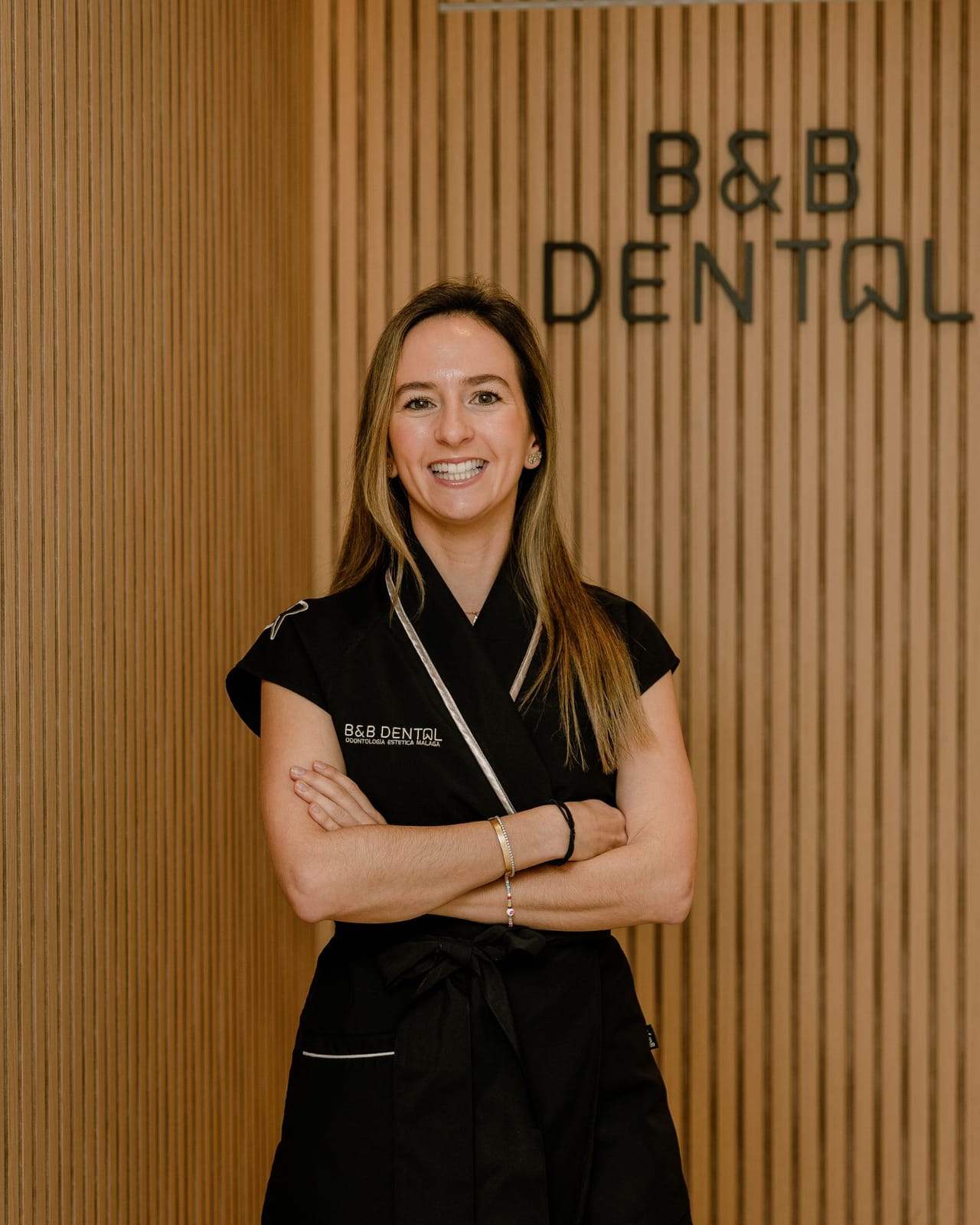
Dr Blanca Barrio
Medical Director at ByB Dental
Specialist in orthodontics and aesthetic dentistry
Málaga
Dr Blanca Barrio assesses each case individually before recommending invisible orthodontics, Invisalign or other alternatives. Her approach combines clinical planning, aesthetic dentistry and a clear explanation of the real options for each patient.
More information about the author: Dr Blanca Barrio.